
 Image 1 of 4
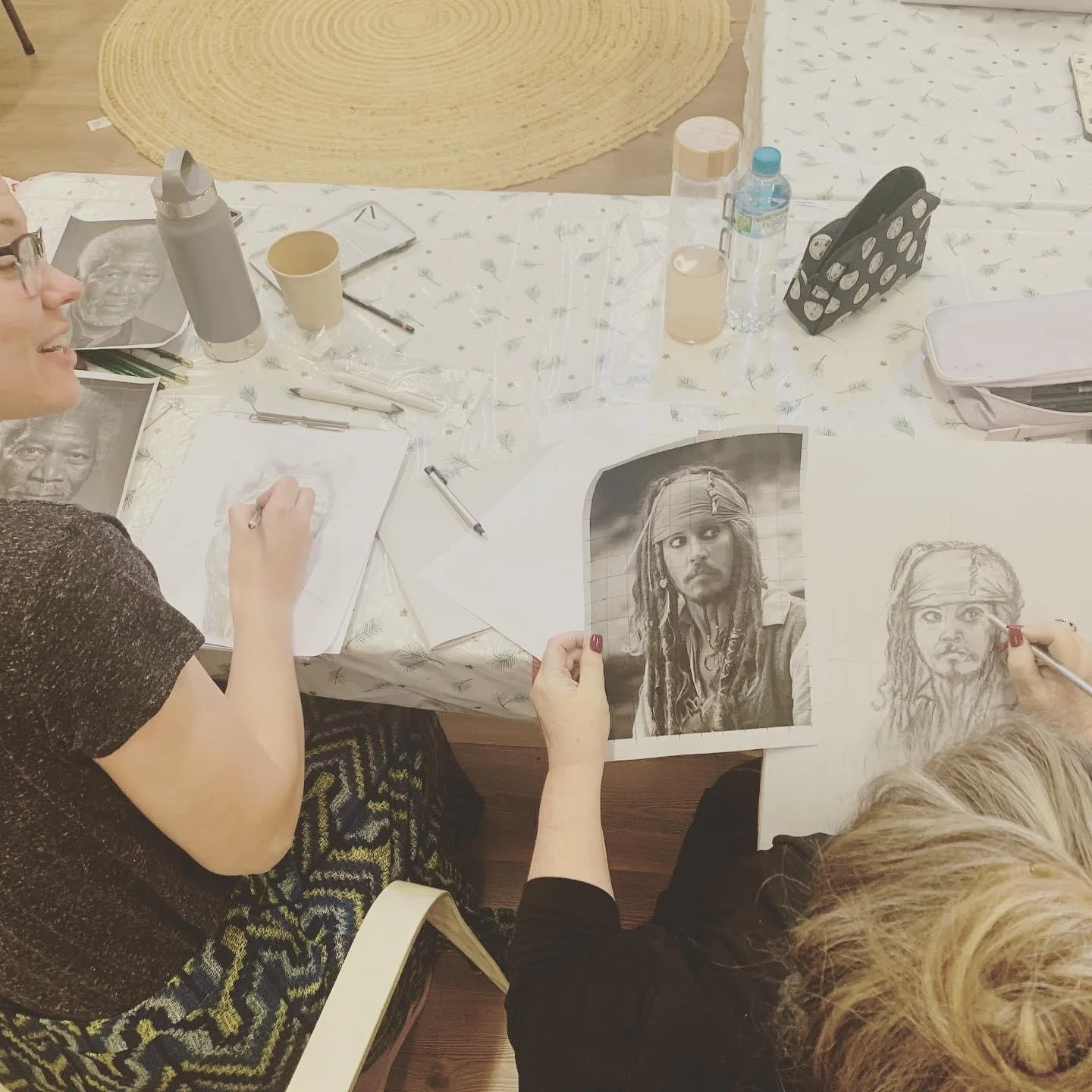 Image 2 of 4
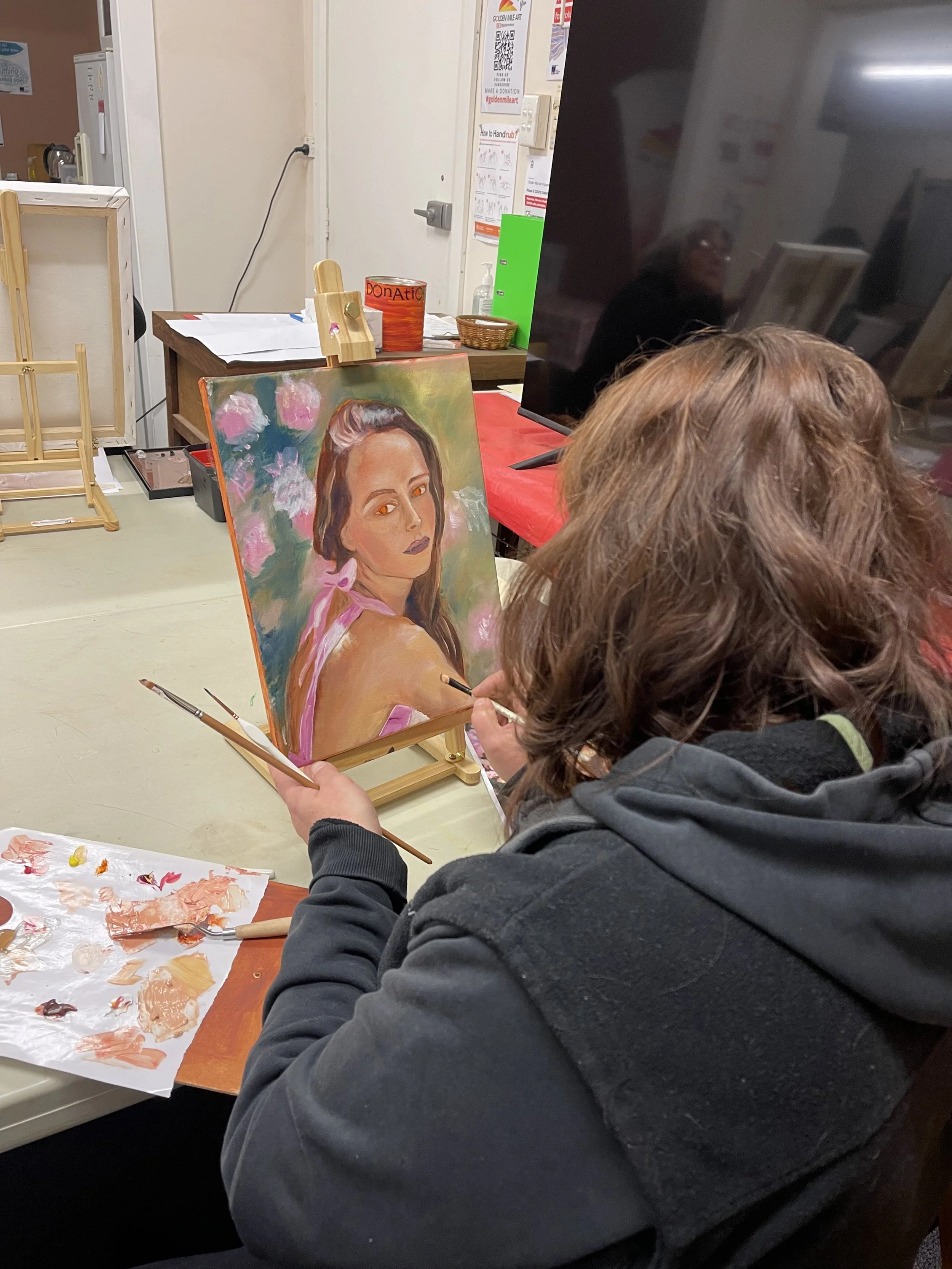 Image 3 of 4
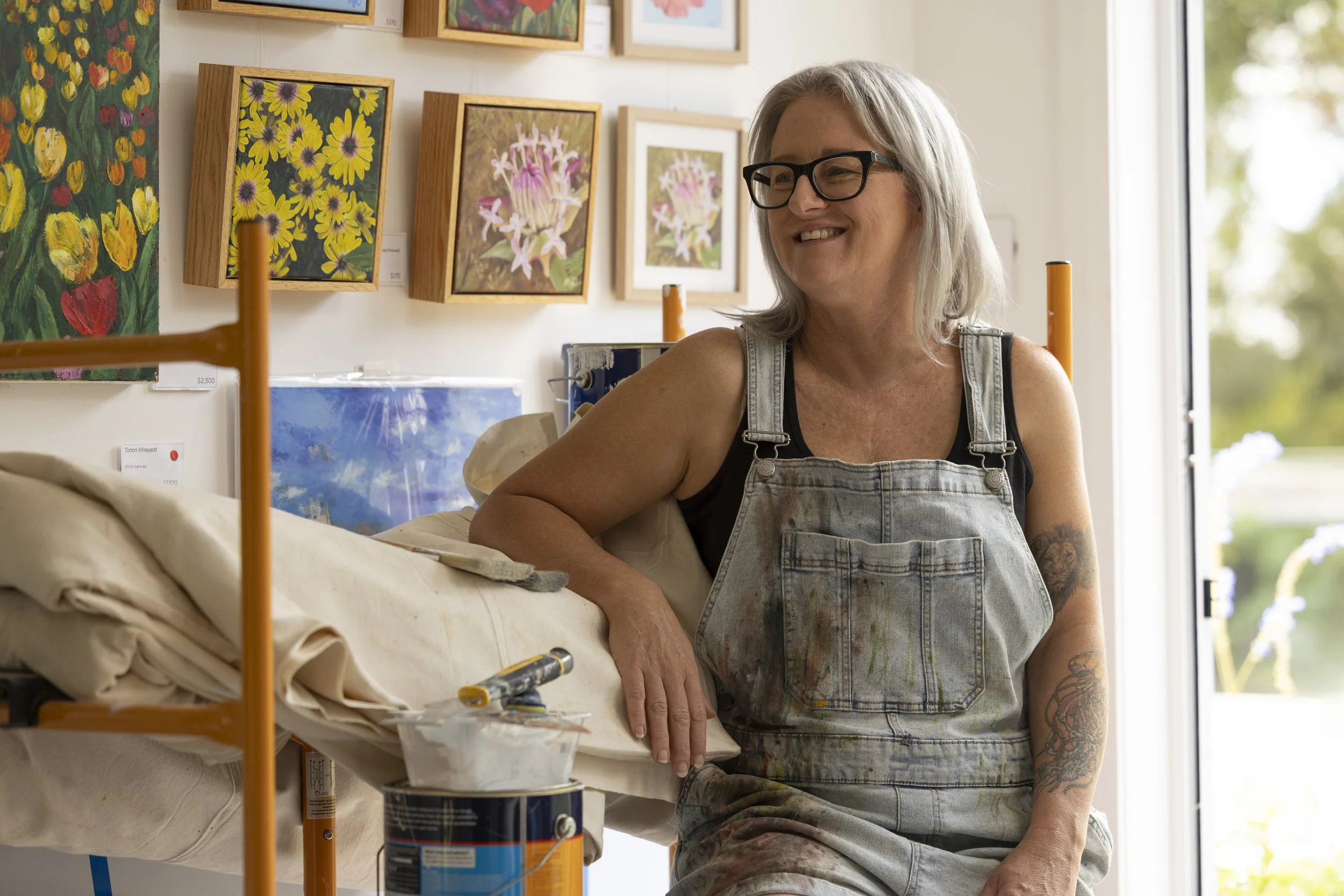 Image 4 of 4
Four students, ninety minutes, four weeks. Small enough that every teen gets real attention every session.
Somewhere around Year 7, art stops being something most teenagers just do. It becomes a subject you're graded on, or it disappears from the week entirely. The teens who don't pick Visual Arts as an elective lose access to making altogether. The ones who do often find it's now about criteria, folios and marks.
Meanwhile the years 13–17 are exactly when a young person most needs somewhere to think without being assessed. Somewhere with no scroll, no grade, no audience.
This block is that. Nothing here is marked. Nothing gets posted unless they want it to. They make things, they get better at making things, and the making does what making does.
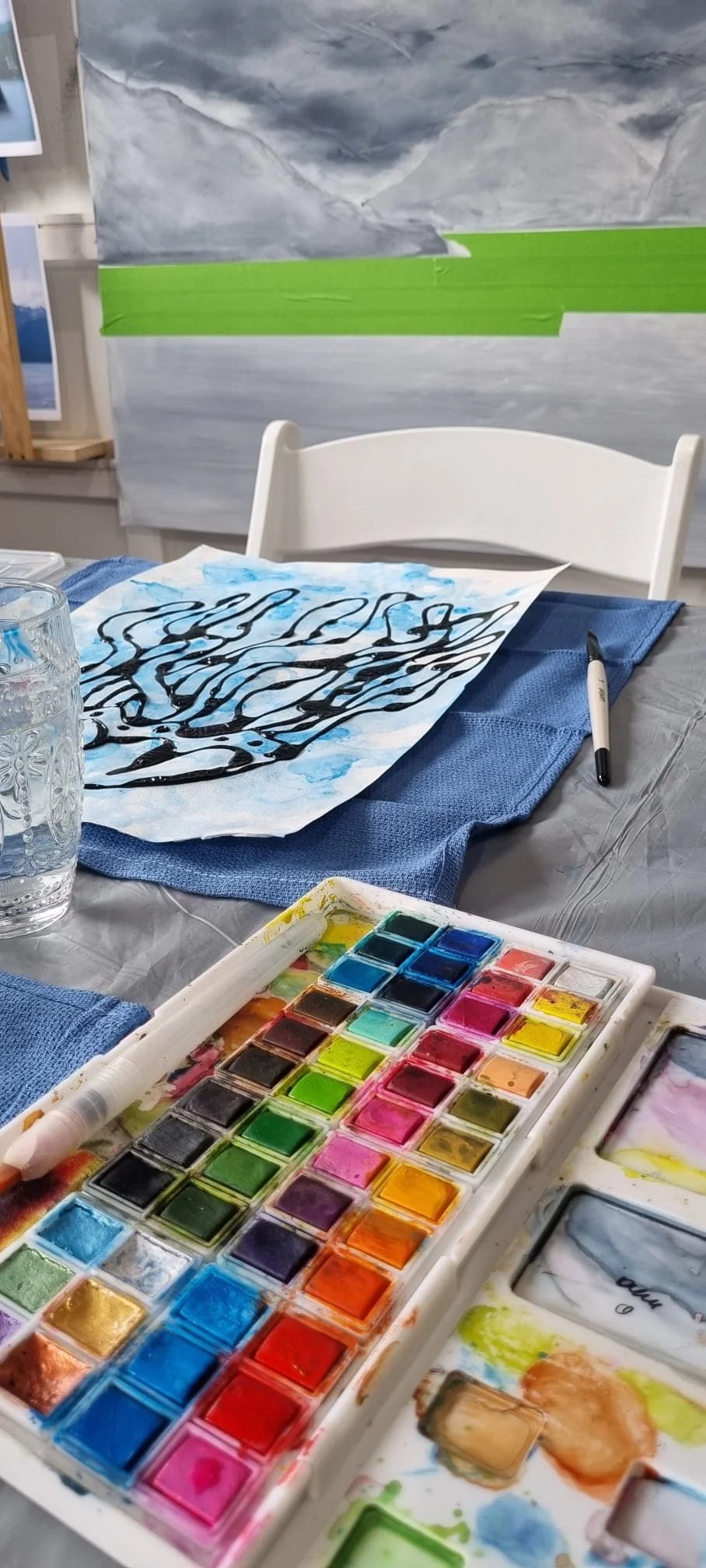
Real skills. Teens can tell when they're being given craft activities. These sessions teach actual technique — composition, tone, colour relationships, mark-making, how materials behave and what happens when you push them. Delivered by a practising oil painter, not a worksheet.
Real wellbeing. Built in deliberately, not bolted on. Focus and flow state. Tolerating the ugly middle stage of a piece without abandoning it. Making decisions and living with them. Working alongside other people in comfortable quiet.
This is creative practice for wellbeing — not art therapy. Art therapy is a clinical profession requiring clinical training. What a practising artist and thirty-year educator can do well is run a space where making supports focus, confidence and connection, and recognise when a young person needs more than that. That boundary is held clearly and openly.
Four students, ninety minutes, four weeks. Small enough that every teen gets real attention every session.
Somewhere around Year 7, art stops being something most teenagers just do. It becomes a subject you're graded on, or it disappears from the week entirely. The teens who don't pick Visual Arts as an elective lose access to making altogether. The ones who do often find it's now about criteria, folios and marks.
Meanwhile the years 13–17 are exactly when a young person most needs somewhere to think without being assessed. Somewhere with no scroll, no grade, no audience.
This block is that. Nothing here is marked. Nothing gets posted unless they want it to. They make things, they get better at making things, and the making does what making does.
Real skills. Teens can tell when they're being given craft activities. These sessions teach actual technique — composition, tone, colour relationships, mark-making, how materials behave and what happens when you push them. Delivered by a practising oil painter, not a worksheet.
Real wellbeing. Built in deliberately, not bolted on. Focus and flow state. Tolerating the ugly middle stage of a piece without abandoning it. Making decisions and living with them. Working alongside other people in comfortable quiet.
This is creative practice for wellbeing — not art therapy. Art therapy is a clinical profession requiring clinical training. What a practising artist and thirty-year educator can do well is run a space where making supports focus, confidence and connection, and recognise when a young person needs more than that. That boundary is held clearly and openly.